Introduction: The Dominance of Spring Boot in 2026
If you are venturing into the world of server-side development, you’ve likely asked yourself: why use spring boot for backend when there are dozens of other frameworks available? After years of building microservices and monoliths alike, I’ve found that while tools like Go or Node.js have their place, Spring Boot remains the unmatched heavyweight champion for enterprise-grade applications.
In this guide, we will explore why this framework has stood the test of time and why it is still the first choice for developers in 2026. Whether you are coming from a spring boot for beginners introduction or looking to level up your stack, understanding these core advantages is crucial for your career in backend engineering.
Core Concepts: What Makes Spring Boot Different?
Spring Boot isn’t just a framework; it’s an “opinionated” layer built on top of the original Spring Framework. Before Spring Boot, setting up a Java backend involved grueling hours of XML configuration and manual dependency management. Here is how Spring Boot changed the game:
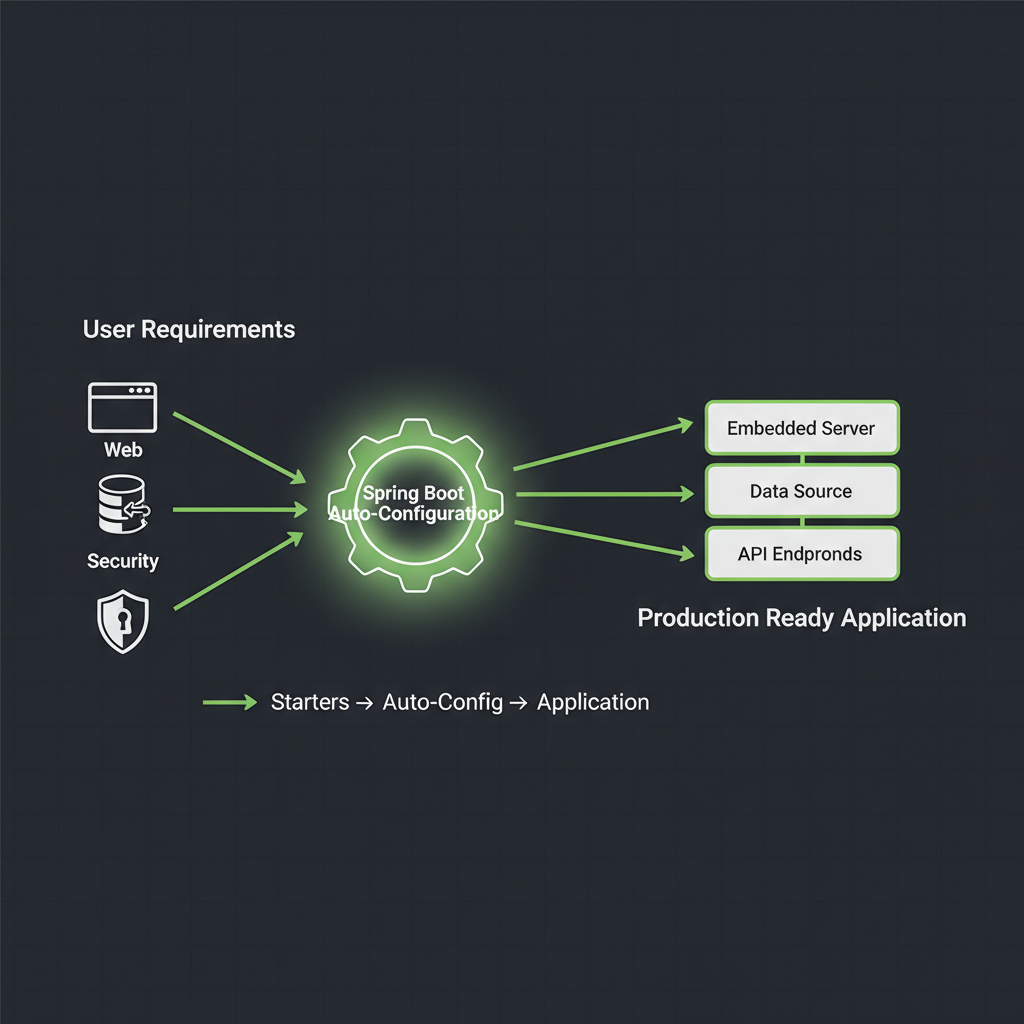
- Auto-Configuration: Spring Boot looks at your classpath and automatically configures beans that it thinks you’ll need. If you add
spring-boot-starter-web, it assumes you want to build a web app and sets up an embedded Tomcat server automatically. - Starter Dependencies: Instead of hunting for compatible versions of 20 different libraries, you use a single “Starter” (like Data JPA or Security) that bundles everything you need.
- Embedded Servers: You no longer need to install an external web server like Tomcat or Jetty on your machine. Spring Boot packages the server inside your JAR file.
Getting Started: Your Entry into Java Backend
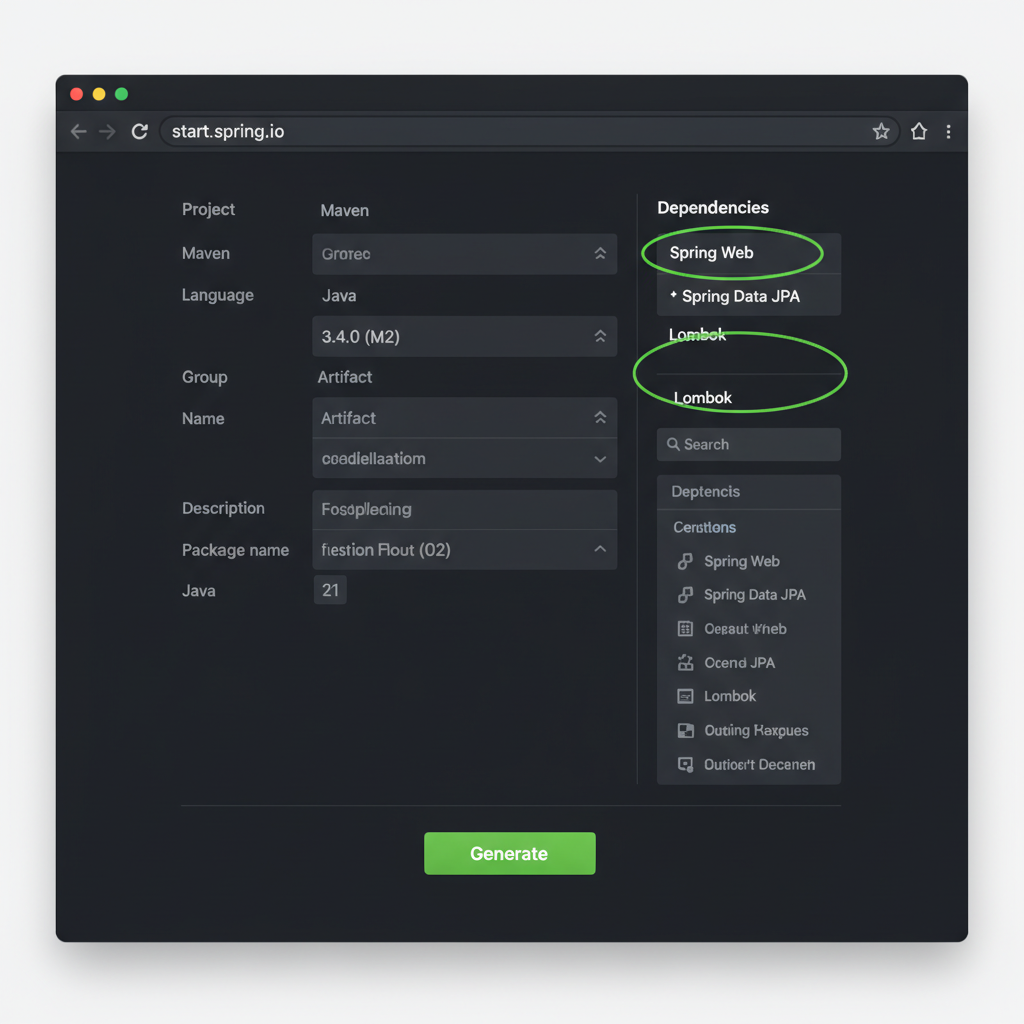
In my experience, the hardest part of learning a new stack is the initial setup. Spring Boot solves this with Spring Initializr. It is a web-based tool that generates your project structure in seconds. When people ask me is spring boot worth learning in 2026, I point to this frictionless entry point.
To get started, you’ll need:
- Java Development Kit (JDK) 21 or higher (the current LTS standard).
- An IDE like IntelliJ IDEA or VS Code.
- Build tools like Maven or Gradle.
Your First Project: Creating a REST API
Let’s look at how little code you actually need to write to get a functional backend running. As shown in the code below, Spring Boot uses annotations to handle the heavy lifting.
@RestController
@RequestMapping("/api/v1")
public class HelloController {

    @GetMapping("/greet")
    public String sayHello() {
        return "Welcome to ajmani.dev - Your Spring Boot backend is live!";
    }
}
With just a few lines, you have a production-ready endpoint. This simplicity is exactly why use spring boot for backend projects when time-to-market is a priority. You focus on the business logic, while the framework handles the HTTP plumbing.
Common Mistakes Beginners Make
Even with its “magic,” Spring Boot has a learning curve. I often see developers fall into these traps:
- Over-Reliance on @ComponentScan: Putting all your classes in the default package can slow down startup time and cause unexpected bean injection issues.
- Ignoring Profiles: Beginners often hardcode database credentials. Always use
application-dev.propertiesandapplication-prod.propertiesto manage environment-specific settings. - Fat JAR Bloat: Adding every starter available “just in case” leads to massive deployment files and security vulnerabilities.
The Learning Path for 2026
If you’re serious about mastering this, don’t just stop at the basics. The evolution of automation in deployment means you should follow this path:
- Master Java Records and Streams: Modern Spring Boot relies heavily on these features for clean data handling.
- Understand Spring Security: In 2026, “security-first” isn’t optional. Learn OAuth2 and JWT integration early.
- Cloud-Native Tools: Familiarize yourself with Spring Cloud and Dockerizing your Spring Boot applications.
Why Use Spring Boot for Backend: Essential Tools for Spring Boot Developers
To be productive, you need more than just a compiler. Here is my recommended toolkit:
Tool
Purpose
IntelliJ IDEA
The gold standard IDE for Java/Spring development.
Postman/Insomnia
For testing your REST endpoints visually.
Spring Boot Actuator
A built-in tool for monitoring app health and metrics.
Docker
To ensure your backend runs identically in dev and production.
In conclusion, the reason why use spring boot for backend development remains so compelling is the balance of power and simplicity. It allows you to start small but scale to millions of users without switching frameworks. If you haven’t yet, check out our full introduction for beginners to start your first project today.
Official resources for Why Use Spring Boot for Backend
Documentation and references for Why Use Spring Boot for Backend: